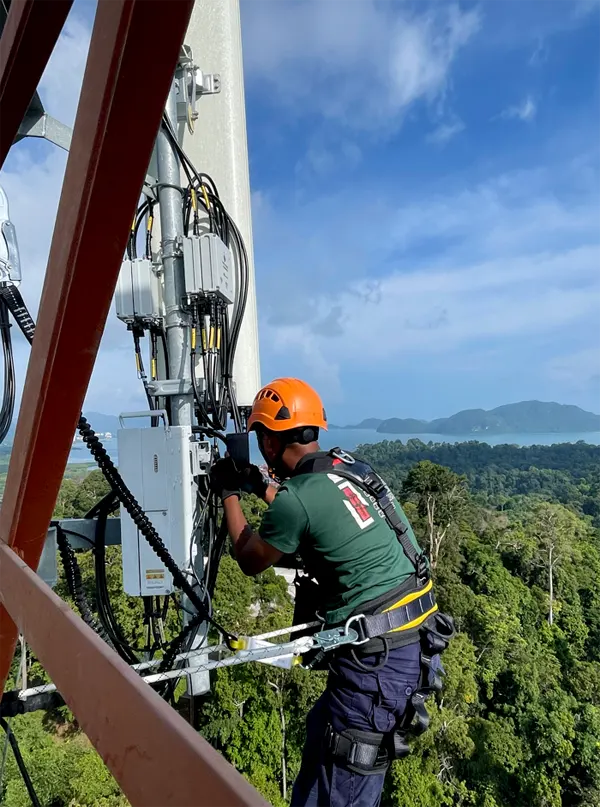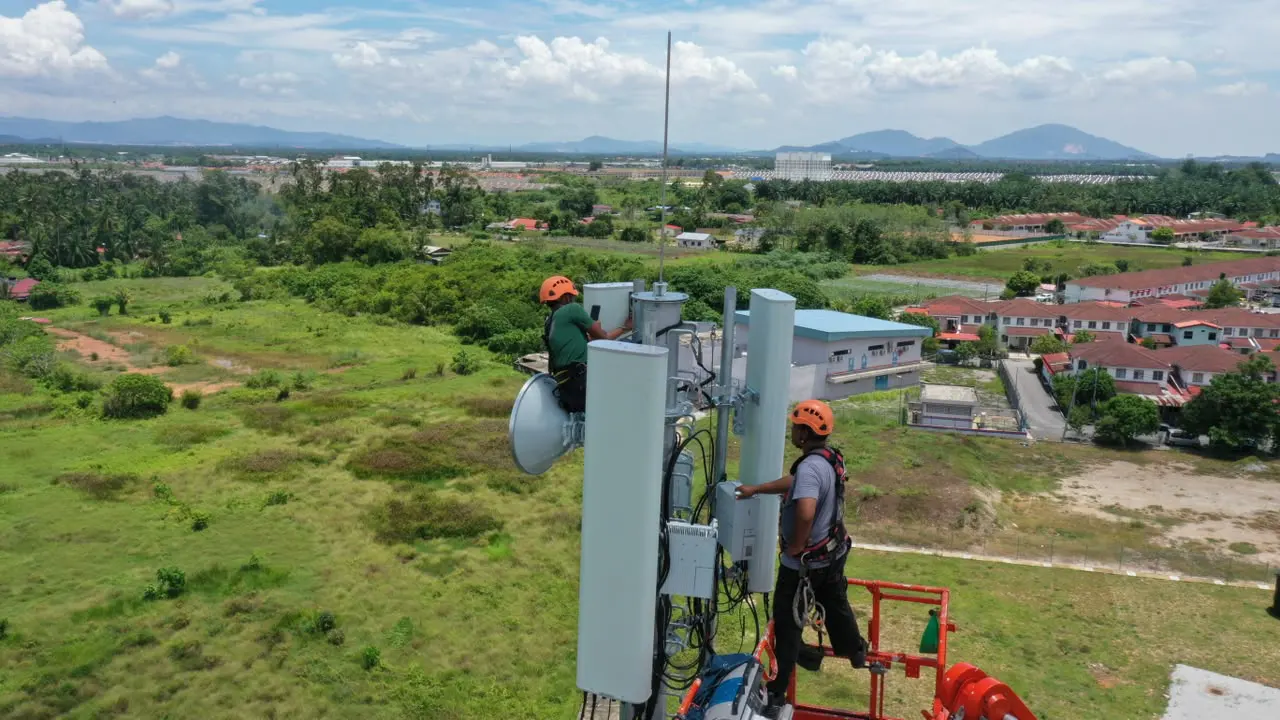
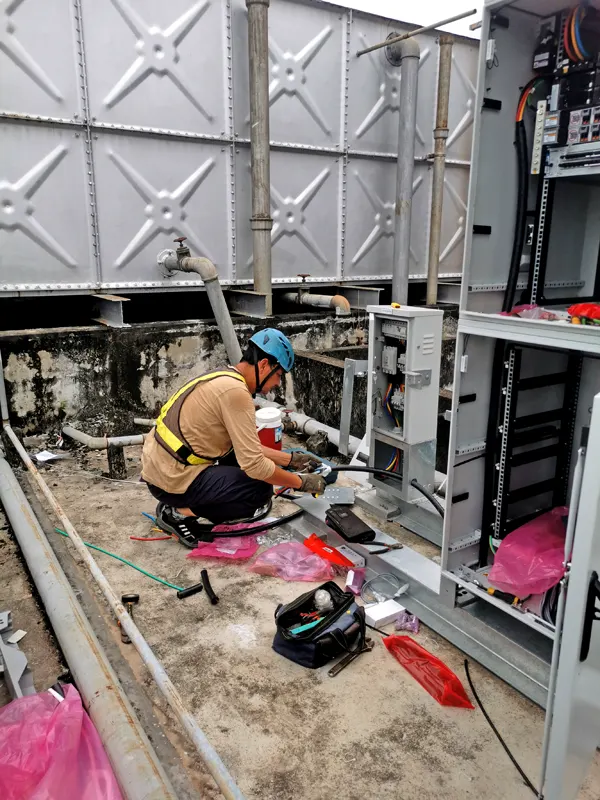
The testing and commissioning process begins with comprehensive pre-power-on inspections and hardware validation for both base station and transmission equipment. Technicians perform voltage and polarity checks on main DC power distribution units, verify ground busbar continuity, and confirm that all physical cable connections—including RF coaxial feeders, fiber-optic CPRI lines, and IF links—are properly torqued and weatherproofed. Sweeping tests (VSWR/DTF) are executed on the antenna feeder system, while optical power meters verify light levels across fiber runs to rule out physical layer faults before system energization.
Once powered on, integrated system diagnostics and functional performance testing are conducted to ensure operational integrity. The base station components (BBU/RRU) undergo call processing, handover simulation, and RF performance testing, measuring Key Performance Indicators (KPIs) such as output power, SINR, and throughput across all designated frequency bands. Concurrently, transmission equipment undergoes Bit Error Rate (BER) testing, optical path attenuation checks, and microwave link alignment verification to confirm stable carrier-to-noise ratios, clock synchronization, and data payload handling without packet loss.
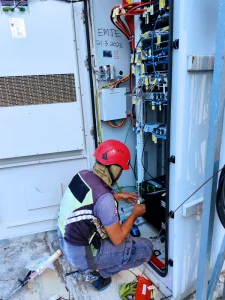
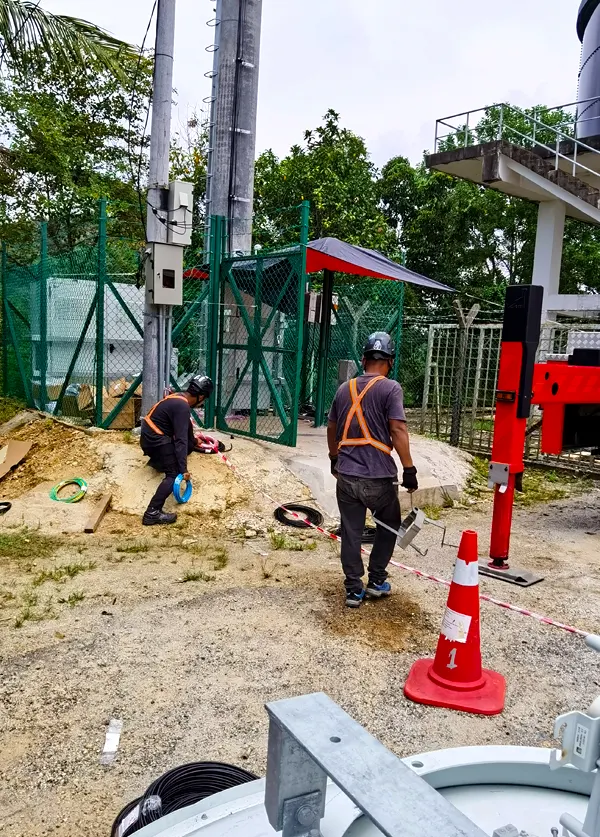
The final stage focuses on Network Management System (NMS) integration, remote parameter configuration, and site acceptance handover. Engineers establish secure management links to the central Operation and Maintenance Center (OMC), enabling remote alarm monitoring, software feature licensing, and cell site parameter synchronization. After executing standard call tests, emergency service routings, and failover redundancy checks, detailed testing logs and commissioning reports are generated for final client sign-off and live network integration.